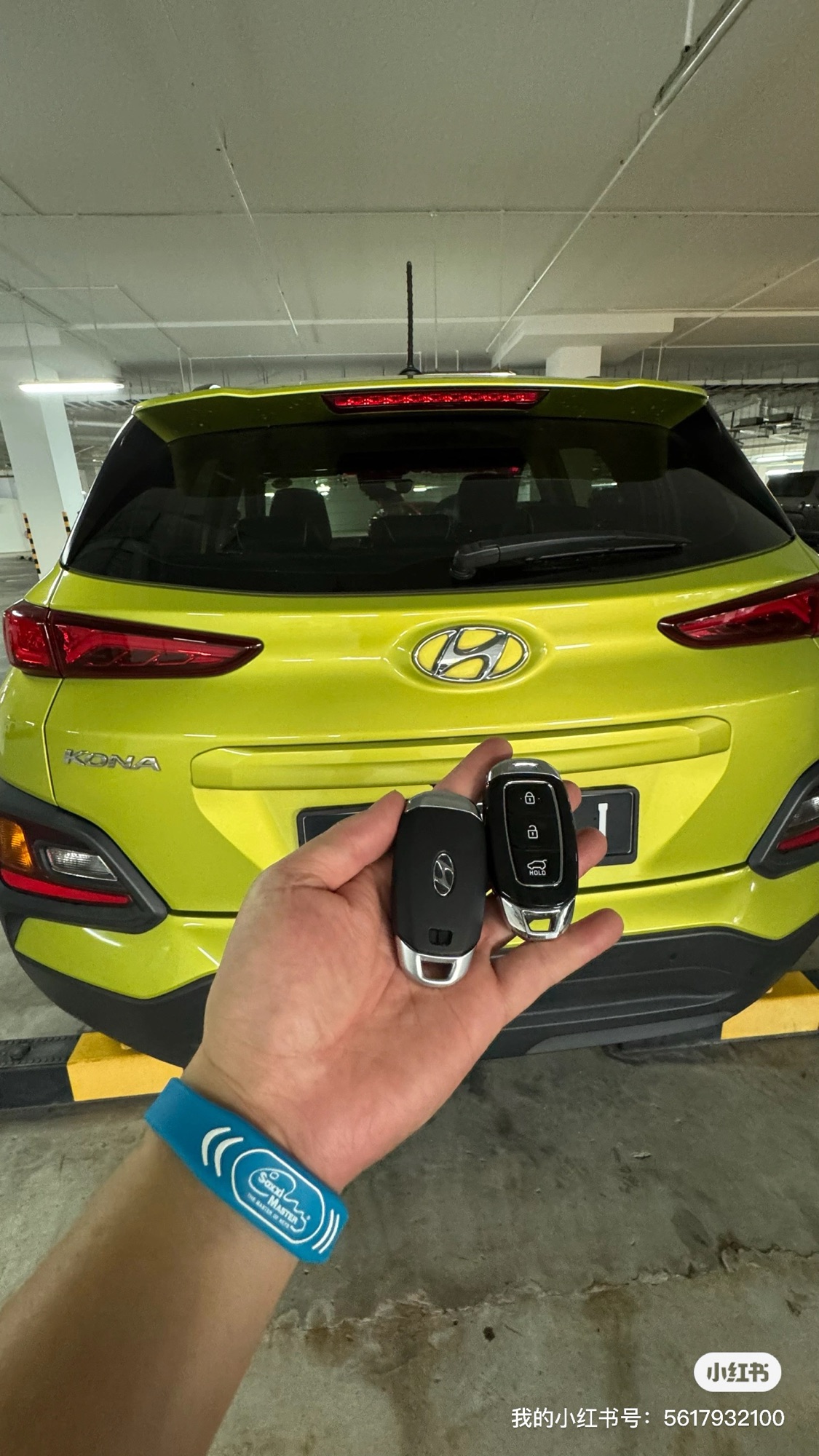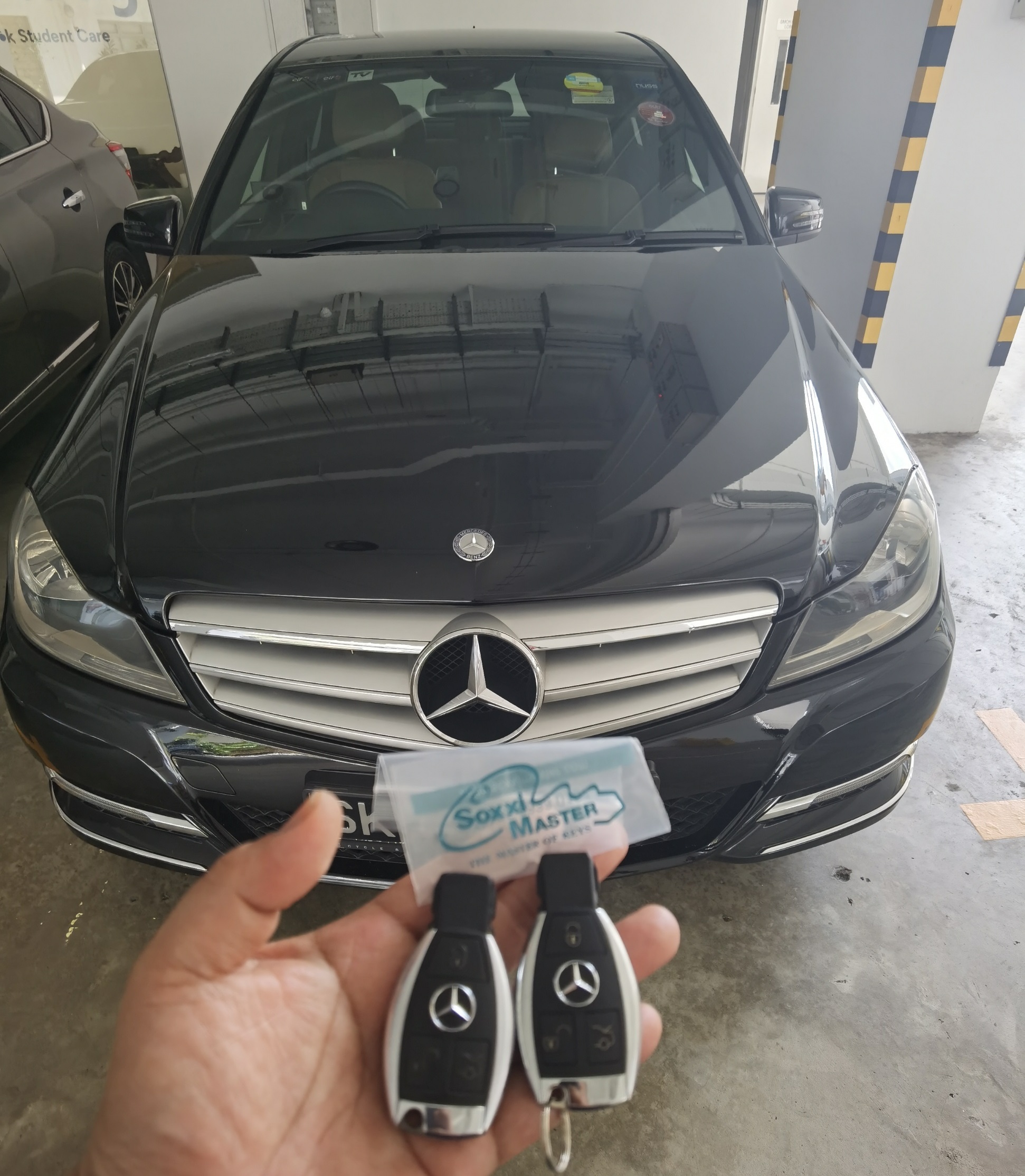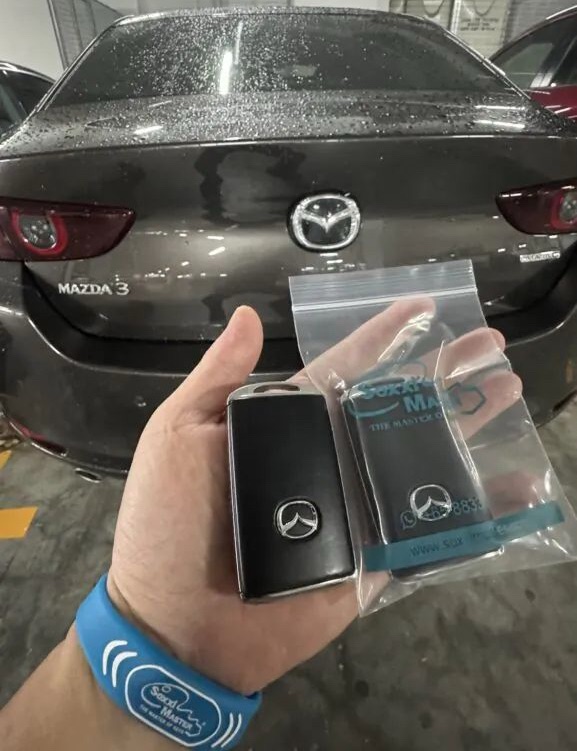


Most modern new cars come equipped with keyless entry and one-key start (push-to-start) features, which are a huge convenience for busy drivers. You simply keep the key fob in your pocket or bag, approach the vehicle to unlock the doors automatically, and press the start button to fire up the engine—no need to fumble for the remote or insert a key.
This high-tech convenience is so seamless that many owners completely forget about the hidden mechanical key (also called the emergency key or backup blade) tucked inside the fob. But even the most advanced systems have their Achilles’ heel. When the key fob battery dies, the car’s main battery is flat, or the remote signal fails for any reason, the only way to open the door is with that mechanical key.
If you’ve lost it, damaged it, or never even knew where it was, you’re stuck. Your trip gets delayed, and you might end up calling a tow truck and spending significant time and money at a dealership or specialist to get a new key programmed.
Real-Life Example: The Porsche 911 Owner Who Learned the Hard Way
Not long ago, we had a Porsche 911 owner come to us in exactly this situation. He relied entirely on the keyless system and treated the mechanical key as unnecessary—until he accidentally lost it and never replaced it. One morning, his key fob stopped responding (likely a weak or dead battery), and he reached for the emergency key… only to realize it was gone. With no way to unlock the doors, he had no choice but to arrange a tow to our workshop.
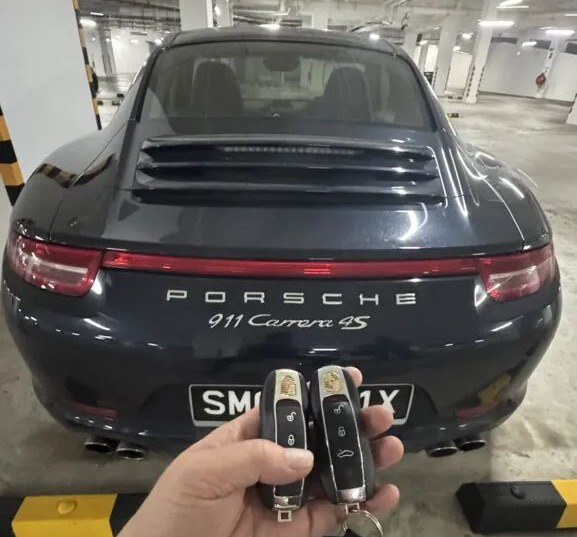
After inspection and the necessary programming, we provided him with a brand-new, fully configured mechanical key and tested the emergency access. He was back behind the wheel, but the experience cost him time, hassle, and money. This story is surprisingly common, especially with premium models like the Porsche 911.
Porsche’s key design is sleek and minimalist—the mechanical blade hides inside the fob, and the door handles often have no visible keyhole (it’s concealed behind a small cover on the driver’s door handle). Many owners don’t even know how to access it until it’s too late.
Why the Mechanical Key Matters: Common Risks
1. Key Fob Battery Dies Suddenly
A low or dead battery in the fob can disable keyless unlocking. While you can usually replace the battery (typically a CR2032), if it happens at an inconvenient time or place, you’re locked out without the mechanical backup.
2. Car Battery Completely Drains
If the vehicle’s main battery goes flat (from leaving lights on, long-term storage, or age), the keyless system fails entirely. Only the mechanical key can physically unlock the door.
3. Lost or Damaged Mechanical Key
As in the Porsche 911 case, losing the emergency blade means expensive replacement. For high-end cars like Porsche, programming a new key often requires dealer-level tools and can cost hundreds to over a thousand dollars (depending on model and location).
4. Other Failures
Water damage, drops that break the chip, or signal interference can all render the “smart” system useless.
How to Avoid These Headaches: Practical Tips for Owners
• Check Your Mechanical Key Regularly
Take it out of the fob occasionally to confirm it’s intact, not rusted, bent, or missing. On Porsche models, it’s usually a pull-out blade—keep it safe.
• Make a Backup
Most brands (including Porsche) allow extra keys. Have at least two full sets: one for daily use and one stored safely at home or the office.
• Replace the Fob Battery Proactively
If the buttons feel sluggish, the LED dims, or your car displays a “key battery low” warning, swap it immediately. It’s cheap and takes seconds.
• Learn the Emergency Access Procedure
Methods vary by model, but for most modern Porsche 911s (e.g., 991, 992 generations):
• Locate the small cover on the driver’s door handle (often hidden or flush).
• Pry or slide it open to reveal the keyhole.
• Insert the mechanical key (flat side up in many cases), turn it to unlock (usually counterclockwise).
• Once inside, if the fob battery is dead, place the key fob in the designated area (often on the center console or near the steering column) to allow emergency start.
• Consider Key Protection Plans
Porsche offers official coverage for lost or damaged keys in some markets—worth looking into for peace of mind.
Final Thought: Tech Is Great—But Don’t Forget the Basics
Keyless entry and push-to-start are fantastic advancements that make driving more enjoyable, but they don’t replace the reliability of a simple mechanical key. The Porsche 911 owner’s story is a reminder: no matter how expensive or advanced your car is, one small missing piece can leave you stranded.
Spend a few minutes now to check your emergency key, make a spare if needed, and learn your car’s manual override method. It could save you hours of frustration and hundreds in repair bills.
If you’re dealing with a key issue, need to check your mechanical key, replace a fob battery, or get a new one programmed, feel free to reach out! Our team handles these situations quickly so you can get back to enjoying the drive.
WhatsApp +6588330107