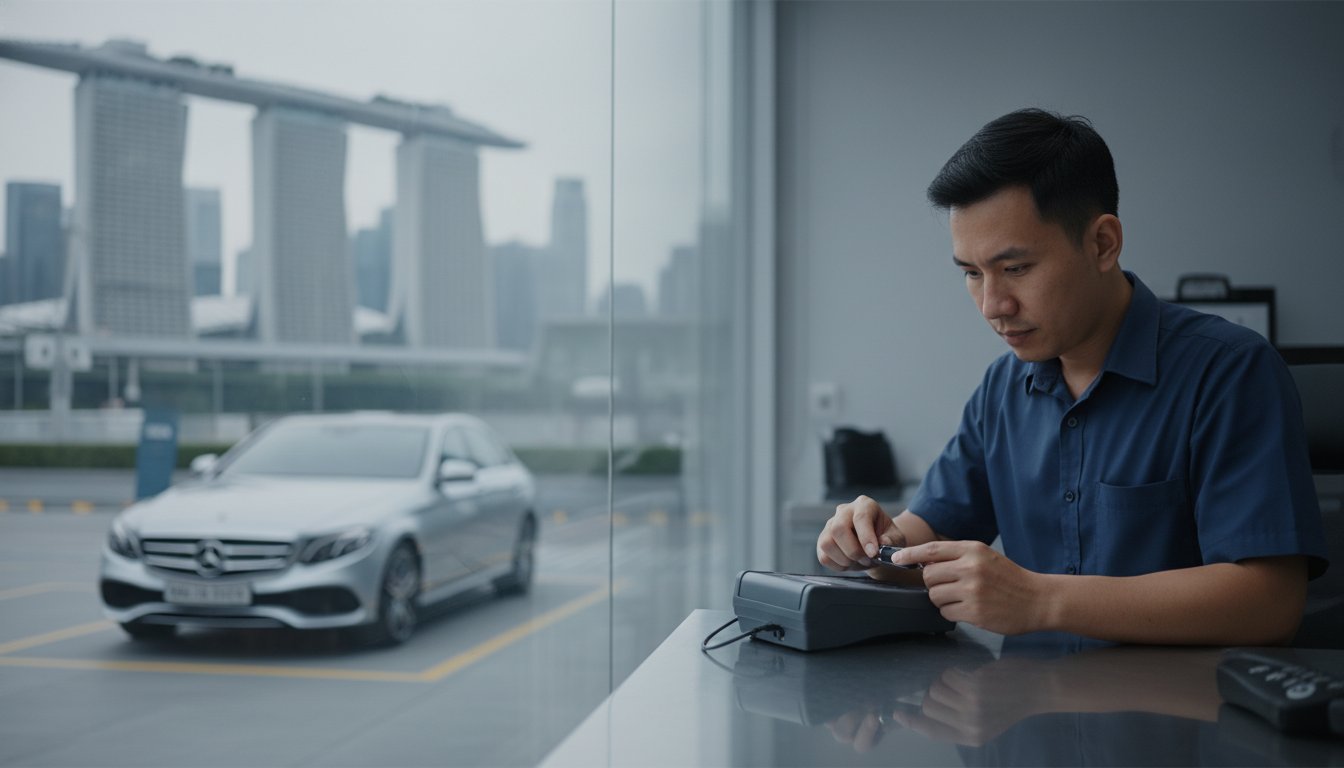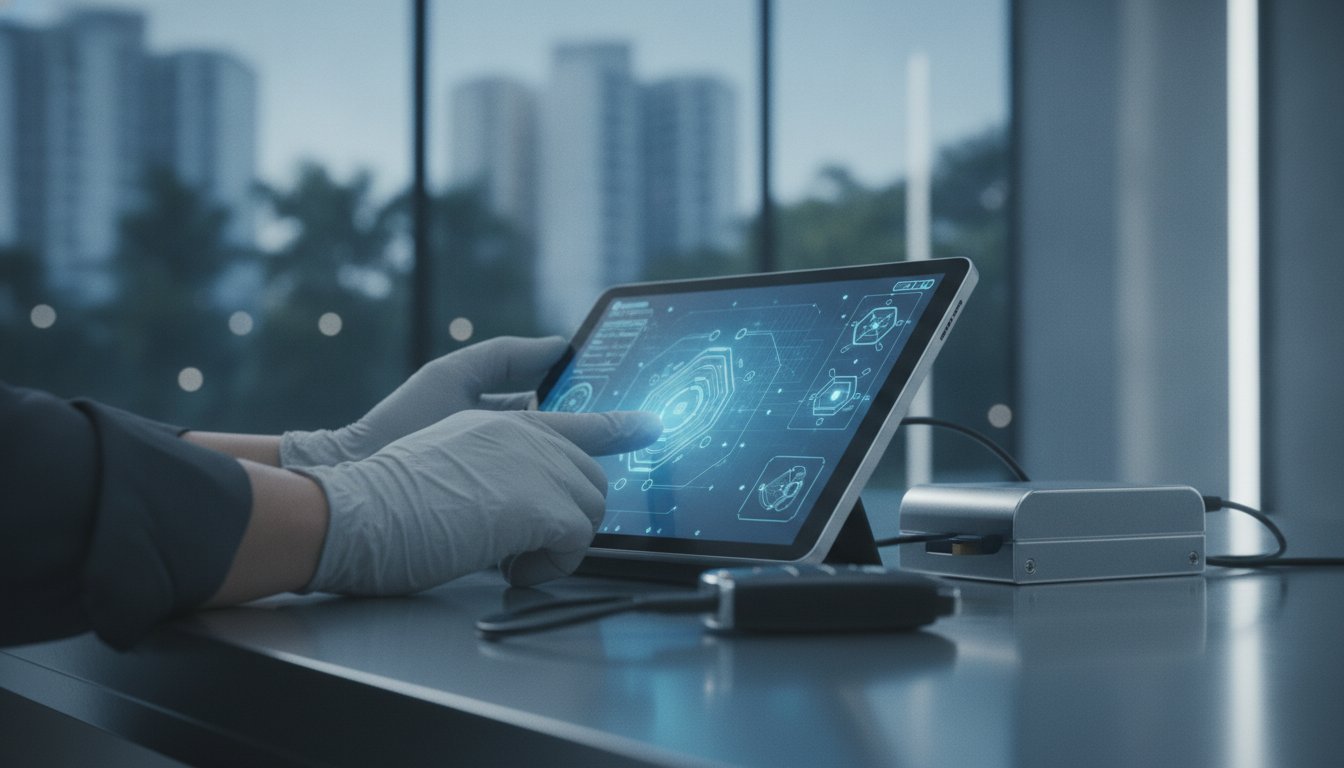


A copied access card can remain a security risk after the original is accounted for. High-volume access card cloning for offices is a particular concern when credentials use a fixed, unencrypted ID, including some legacy 125 kHz proximity cards; some older 13.56 MHz card systems also have known weaknesses. A cloned credential may continue to work until it is disabled or replaced.
It’s understandable to think that issuing cards only to authorised staff is enough, but the technology behind each card matters too. This article explains how fixed-ID cloning works, which older systems may be exposed and how Singapore offices can reduce access-card risks. Card security depends on more than the card itself: readers and the access-control system matter too.
Key Takeaways
- Learn why fixed-ID credentials can create exposure and which older card technologies deserve closer attention.
- Understand, at a high level, how a copied card can be presented to an access reader.
- See how to reduce risk through credential reviews, stronger access controls and attention to unusual entry activity.
- Explore how Soxxi Master’s RFID Access Card Cloning service may help with authorised card duplication; contact Soxxi Master for an assessment of your needs.
Cloning risks in 125 kHz and older 13.56 MHz card systems
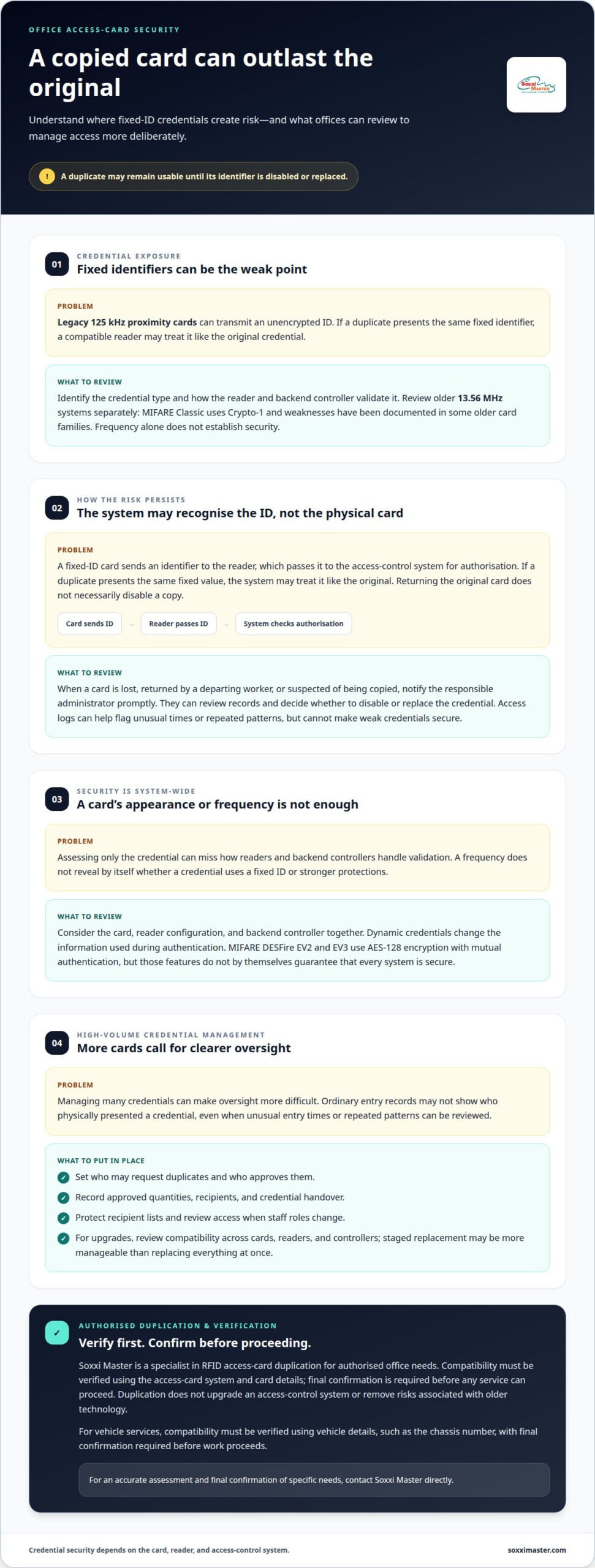
Legacy 125 kHz proximity cards can expose offices because they transmit an unencrypted ID. If a duplicate presents the same fixed identifier, a compatible reader may treat it like the original credential. The risk is unauthorised entry, not just an extra card in circulation. A copy can also remain useful after the original card is returned, unless the access control system disables or replaces that identifier.
Older 13.56 MHz cards need a separate review. MIFARE Classic uses Crypto-1, and weaknesses in some older card families have been documented. That does not mean every 13.56 MHz credential is vulnerable: frequency alone does not establish its security. Businesses need to identify the credential type and consider how readers and backend controllers validate it. Security depends on this whole access control system, not only the card.
For high-volume access card cloning for offices, managing many credentials can make oversight more difficult. A cloned card may be used even when the original is still present, and ordinary entry records may not show who physically presented it. Access logs can help teams spot unusual entry times or repeated patterns, but they cannot make weak credentials secure.
Upgrading can involve reviewing card compatibility, readers and controllers, then replacing credentials or equipment in stages. Those dependencies affect project scope and operational disruption, so a phased change may be more manageable than replacing everything at once. An office arranging authorised door access card duplication should distinguish legitimate duplication from security upgrades: copying a credential does not strengthen an unencrypted system.
How fixed-ID card cloning works
A fixed-ID proximity card sends an identifier when it receives a radio-frequency signal from a reader. The reader passes that identifier to the access-control system, which checks whether it is authorised. If a duplicate credential presents the same fixed value, the system may treat it like the original. The card itself can differ; in this basic setup, the identifier is what matters.
This differs from credentials that rely on cryptographic authentication. Security assessments of MIFARE Classic cards have identified vulnerabilities, though their relevance depends on the card and system. Frequency alone does not show whether a credential uses a fixed ID or stronger protections. A proper security assessment considers the card, reader and backend together.
Dynamic credentials change the information used during authentication, making simple identifier replay less relevant. MIFARE DESFire EV2 and EV3 use AES-128 encryption with mutual authentication. That is a distinct security approach, not a guarantee that every system using those cards is secure. Reader configuration and controller handling still matter.
For office security, the key distinction is whether access depends on a reusable identifier or a protected exchange. Mobile credentials may also refresh dynamically, depending on the system. Avoid treating a card’s appearance or frequency as proof of its security level. A specialist can assess authorised duplication needs and explain system-specific considerations; contact an access-card specialist for guidance.
What are the legal rules in Singapore for copying or cloning office access cards?
For an office in Singapore, the practical question is who has authority to approve a duplicate. A card may belong to an employer, building owner or access-system administrator, not its holder. Possessing a card alone does not mean you have permission to copy it. The applicable rules may depend on building access policies, employment terms and the card issuer’s instructions.
Before arranging an authorised duplicate, get approval from the organisation responsible for the access-control system. An employee who needs a replacement should follow the company’s facilities or security process. A tenant requesting staff cards should use the building management’s approved process. Record who authorised the request, how many credentials were approved and who received them.
Unauthorised copying raises different concerns from approved duplication. A copied credential could enable entry under another person’s identifier, complicating an investigation after an incident. If a card is lost, returned by a departing worker or suspected of being copied, notify the responsible administrator promptly. They can review access records and decide whether to disable or replace the credential.
For high-volume access card cloning for offices, set approval and distribution controls before processing a batch. Confirm that the request comes from an authorised representative, protect the recipient list and document handover. These practical safeguards are not a substitute for legal advice. If a dispute or suspected offence arises in Singapore, seek advice based on the specific circumstances rather than assuming every card copy has the same legal status.
Soxxi Master: RFID Access Card Cloning
Soxxi Master is a specialist in RFID access-card duplication for authorised office needs, such as duplicating a credential for an approved staff member. Soxxi Master verifies compatibility based on the access-card system and card details, and requires final confirmation before proceeding. Duplication does not upgrade the office access-control system or remove risks associated with older technology.
For vehicle services, compatibility is assessed using details such as the chassis number, and final confirmation is required before work proceeds. For office cards, first confirm internally that the request is authorised and identify the intended recipient. This helps clarify the request and its access purpose.
Make your next access decision deliberate
A considered approach to high-volume access card cloning for offices starts with clear authorisation, controlled distribution and a plan for managing credentials over time. Decide who can request duplicates, who approves them and how access will be reviewed when a staff member’s role changes. These routines help keep card handling consistent as office needs evolve.
For authorised card duplication, Soxxi Master offers RFID Access Card Cloning. Other key services include Car & Motorcycle Key Duplication and an All Keys Lost Solution. Soxxi Master verifies compatibility using relevant details, such as the vehicle chassis number, and requires final confirmation before any service proceeds.
A clear process is a practical next step toward more orderly access management. Contact Soxxi Master directly for an accurate assessment and final confirmation of your needs.
Frequently Asked Questions
What is Access Card Cloning and how can you prevent it?
Access card cloning copies credential data so another card can be presented to a reader. Prevention starts by identifying which credentials rely on reusable identifiers and which use stronger authentication. An office can review card types during a system audit, then plan credential changes alongside reader or controller updates where needed. Clear approval and issuance records also help manage legitimate duplicates.
What Can an Attacker Do With a Cloned Card?
A cloned credential may let someone enter areas permitted by the copied card. For example, if a staff card grants access to an office floor, a duplicate could be presented at a compatible reader using that credential. A card does not automatically grant access beyond its assigned permissions, and entry still depends on the system accepting it. Review access activity for unfamiliar times or locations.
Do 13.56 MHz cards stop cloning completely?
No. The frequency alone doesn’t establish a card’s security. Some older 13.56 MHz credentials, including MIFARE Classic, have known cryptographic weaknesses, while MIFARE DESFire EV2 and EV3 use AES-128 encryption with mutual authentication. The card, reader configuration and backend controller all affect protection. When reviewing an office system, identify the credential family and how the full system validates it.