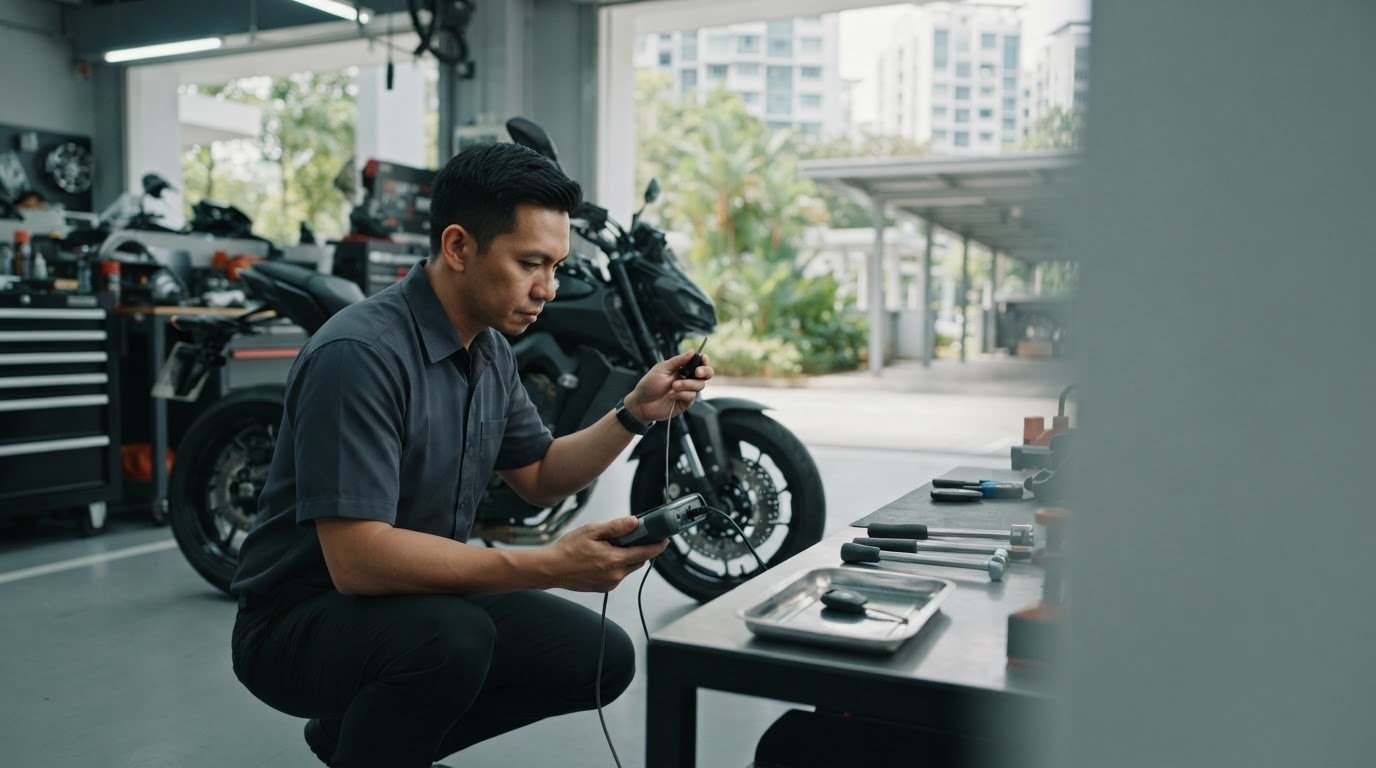


You tap your newly duplicated key fob at the lift lobby of your Orchard condo, but the light stays red and the doors remain shut. It’s a frustrating scenario many Singaporeans face after trying to avoid the high replacement costs set by management offices. While seeking an rfid card copy orchard residents can trust, it’s easy to settle for a quick clone that fails to account for the complex encryption used in modern security systems. You likely agree that a spare card should offer peace of mind, not an unexpected lockout when you’re in a hurry.
This guide explains why professional technical verification is the only reliable way to secure a working duplicate for your condo or office. You’ll learn how specialized frequency analysis identifies the specific chip technology within your card. This process ensures the clone is a precise match rather than a generic copy. We’ll also preview the latest 2026 encryption trends and explain how a professional service provider near central Singapore can confirm compatibility before you commit to a solution.
Key Takeaways
- Understand the technical differences between 125kHz and 13.56MHz frequencies commonly used in Singaporean residential and commercial access systems.
- Learn why professional diagnostic tools are necessary for a reliable rfid card copy orchard residents can use without risking data corruption or reader rejection.
- Discover the importance of a verification-first approach, where protocol identification ensures your duplicate is compatible with specific condo lift and gantry readers.
- Identify the hidden risks of unverified DIY cloning devices, which may lead to unreliable access or security flags within modern property management systems.
- Recognize how specialized assessment at a dedicated service centre provides a technically sound alternative to generic kiosks for complex, high-security access cards.
Understanding RFID Card Copy Services for Singapore Properties
Modern Singaporean residential and commercial developments rely heavily on Radio-frequency identification (RFID) technology to manage security. This system uses electromagnetic fields to identify and track tags attached to objects, or in this case, the access cards and fobs you carry daily. From the vehicle gantry at your condominium entrance to the restricted lift access in your office building, these systems provide a seamless way to verify authorized entry without physical keys.
Duplication services play a vital role in providing backup access for residents and staff members. Having a spare card is often a necessity for families with domestic helpers or businesses with rotating shifts. Many people seeking an rfid card copy orchard residents can rely on find that a spare fob provides a safety net against losing their only means of entry. These clones serve as a technical backup, ensuring that daily routines aren’t disrupted by a single misplaced card.
The demand for a professional duplicate door access card is frequently driven by the high administrative fees charged by property management offices. In many Singaporean condos, the cost to replace a lost card or request an additional one through the MCST can be substantial. Specialist providers offer a technically sound alternative that focuses on accuracy and compatibility, allowing users to obtain a functional spare without the administrative overhead typical of management offices.
The Legality of Access Card Duplication in SG
In Singapore, duplicating an access card for personal use is generally legal, provided the technology does not infringe on specific patents or intellectual property rights. It’s a service designed for convenience and backup purposes. However, there’s a clear distinction between personal convenience and unauthorized security breaches. A professional service provider will always require you to own the original, functioning card before a clone can be created. This ensures that the duplication process remains a secure way to manage your own access rights rather than a bypass of established security protocols.
Specialist vs. General Locksmiths in Orchard
While you might find general locksmiths or key cutters in shopping malls around Orchard, many of these kiosks lack the specialized diagnostic tools required for modern RFID systems. Standard key cutters often deal with physical metal profiles, whereas RFID duplication requires frequency analysis and protocol identification. A simple data copy might result in a card that works intermittently or not at all if the encryption isn’t handled correctly.
Soxxi Master takes a different approach by prioritizing technical verification. Instead of a “one-size-fits-all” method, every card undergoes an assessment to determine its specific frequency and chip type. This professional consultation ensures that the duplication is technically viable before the service proceeds. If you’re looking for an accurate assessment of your specific access needs, you should contact Soxxi Master to confirm compatibility based on your current card model.
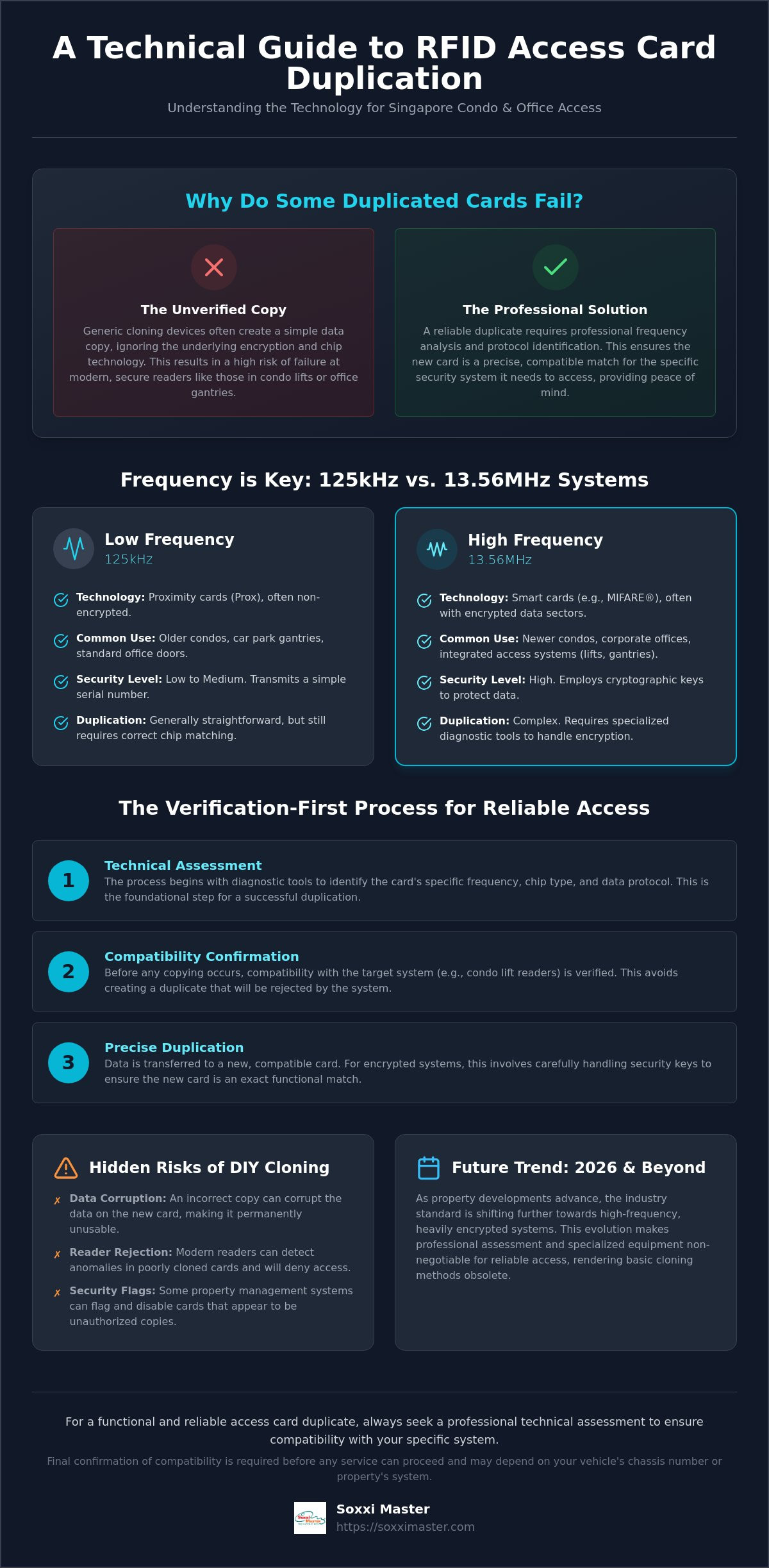
Technical Mechanics: 125kHz vs. 13.56MHz Systems
Frequency identification is the technical starting point for any successful duplication. In Singapore, property access systems generally operate on two distinct radio frequency bands. Selecting a service for an rfid card copy orchard residents can trust requires understanding which band your specific card uses. The frequency dictates not just how close you must hold the card to the reader, but also the complexity of the data stored within. Identifying this correctly is essential to avoid data corruption or system errors during the duplication process.
The read range and security level of your card are directly influenced by these technical mechanics. While older systems allowed for a “proximity” read from a few centimeters away, newer high-security systems often require a direct “tap” against the reader. As property developments in 2026 continue to prioritize digital security, the shift toward high-frequency, encrypted protocols has become the industry standard across Singapore.
Low Frequency (125kHz) and Standard HID
Low Frequency (LF) systems operating at 125kHz were the dominant standard for many years. These are often referred to as proximity cards. You’ll commonly find them in established condominium developments and older office buildings, particularly for car park gantry access. Because these cards typically transmit a simple, non-encrypted serial number, they’re generally straightforward to duplicate. However, success still depends on a technical assessment of the specific chip type. Even within the 125kHz band, different manufacturers use proprietary protocols that require specialized diagnostic equipment to read and write accurately.
High Frequency (13.56MHz) and Encrypted Protocols
High Frequency (HF) systems at 13.56MHz represent the modern standard for 2026 property developments. This category includes well-known protocols like Mifare, DESFire, and various high-security HID standards. Unlike older cards, these systems use advanced encryption to secure data transmission. According to the NIST Guidelines for Securing RFID Systems, encryption is a key defense against unauthorized data interception. In newer Singaporean condos, these cards manage multi-tiered access, including lifts and gym entries. Compatibility for duplication depends heavily on the specific generation of the chip and the reader’s security settings. If you aren’t sure which frequency your card uses, you can contact a specialist for a technical assessment to confirm if your specific system can be duplicated. Final confirmation is always required before any service can proceed, as system configurations vary significantly by property.
Professional Verification vs. DIY Cloning Risks
Residents searching for an rfid card copy orchard might be tempted by cheap DIY cloning tools found on international e-commerce sites. These handheld devices often promise a simple “one-click” solution, but they carry significant hidden dangers for your original access card. Using unverified hardware can lead to permanent data corruption; it can even “brick” your card, rendering it useless for both the original and the clone. This creates a high-pressure situation where you’re left without any access at all, forcing an expensive and inconvenient replacement through your property management office.
Professional equipment at a specialist centre handles data writing with a level of precision that handheld consumer devices cannot match. A common issue with DIY clones is poor signal strength or inadequate antenna quality within the duplicate fob. If the internal antenna isn’t tuned correctly to the specific frequency of your condo’s reader, the system may reject the card even if the data appears correct. Professional duplication ensures a stable signal, providing a reliable entry experience every time you tap your card.
The Risk of Data Corruption
Modern reader systems in 2026 are increasingly sophisticated. They can often detect “cloned” signatures if the data is poorly formatted or if the chip’s response timing is off. A partial write during the duplication process can lead to immediate rejection at the lift lobby or car park gantry. Specialists avoid these pitfalls by verifying data integrity throughout the process. This technical check ensures the clone mimics the original’s communication protocol accurately, preventing the system from flagging your card as a security risk.
Why Verification Trumps Marketing Guarantees
The Soxxi Master philosophy prioritizes technical accuracy over marketing hyperbole. We don’t make absolute claims that every card can be copied. Instead, we focus on a verification-first approach. This is why we require the physical card for a comprehensive technical assessment at our specialist centre. We must verify system compatibility and chip generation before any service proceeds. This methodical process ensures that if a clone is made, it’s a stable and reliable solution for your specific property. If you’re unsure about your card’s technology, you can contact us for a professional assessment of your current access system. Final confirmation is always required before any service can proceed to ensure the best possible outcome for your security needs.
The Duplication Process: Ensuring Reliable Access
While some kiosks promise a duplicate in minutes, a reliable rfid card copy orchard residents can depend on requires a methodical technical sequence. This process isn’t just about copying data; it’s about ensuring the new hardware communicates correctly with your building’s specific reader. Every duplication starts with a professional assessment to determine the technical viability of a clone. This prevents the frustration of returning to your condo only to find the new card doesn’t work at the lift lobby or car park gantry.
The process begins with frequency analysis and protocol identification using specialist diagnostic tools. This step is essential to identify the exact chip technology inside your card or fob. Once identified, we select the appropriate blank card or key fob that matches your system’s requirements. Using high-quality blanks ensures the internal antenna is tuned correctly, providing the signal strength needed for modern Singaporean access readers. The final stage involves a verification check to ensure the written data matches the source card exactly.
Assessment and Identification
During the initial phase, we determine if your card is a standard proximity card or a high-security encrypted variant. It’s a technical reality that some highly encrypted cards, such as certain newer DESFire or HID iClass systems used in 2026 developments, may not be candidates for third-party cloning. We provide a professional consultation to explain these technical limits based on your specific card. This is also the best time to discuss form factors. You might prefer a compact key fob that attaches to your car keys rather than a standard card. Final confirmation is always required before any service proceeds to ensure compatibility with your property’s specific system.
Technical Duplication Steps
Once compatibility is confirmed, we securely read the unique identifier (UID) or specific data sectors from your original card. This data is then written to a compatible blank using professional hardware designed for precision. Unlike generic handheld tools, our equipment ensures the data structure remains intact and follows the original protocol. We then test the new clone against diagnostic readers to verify its stability. This verification-first approach ensures the duplicate performs reliably across all access points in your building. If you need a reliable backup for your home or office, you can view our technical duplicate door access card services for more information. Every card is subject to a physical technical assessment to ensure a successful outcome.
Securing Your Access with Soxxi Master
Trust in security services is earned through consistent technical performance and reliability. For residents and office workers searching for an rfid card copy orchard kiosks may find challenging, Soxxi Master provides a professional alternative focused on accuracy. While a shopping mall kiosk might offer speed, it often lacks the specialized diagnostic equipment needed to handle the multi-layered encryption found in 2026 property access systems. A technically sound duplicate ensures you aren’t left stranded at a lift lobby due to a poorly formatted clone.
Our commitment to technical accuracy means we prioritize verification over quick sales. Every card brought to our centre undergoes a methodical assessment to confirm its frequency and protocol. This approach mirrors the brand’s reputation for efficiency and expertise, aiming to build immediate trust with customers facing high-pressure access situations. By choosing a specialist service, you reduce the risk of data corruption and ensure your backup card works seamlessly across all authorized entry points.
Specialist Expertise in Singapore
Soxxi Master has established itself as a pioneer in automotive and electronic key duplication solutions within Singapore. We utilize professional-grade hardware to create clones that are stable and reliable for long-term use. While our specialist centre is located at 37 Jalan Pemimpin, the short trip from central areas like Orchard is a necessary step for cards that generic kiosks cannot handle. This dedicated facility allows us to house the diagnostic tools required for complex frequency identification, ensuring a higher success rate for modern encrypted cards. Our methodical process makes complex tasks seem straightforward, providing you with a manageable solution for your access needs.
Contact Us for an Assessment
To maintain our high standards of accuracy, we require a physical verification of your card or key fob to determine compatibility. It’s essential to understand that compatibility is not assumed; it must be verified using our specialist diagnostic tools. We encourage customers to bring their original cards to our centre for a comprehensive review. This physical assessment allows our technical team to confirm if a stable duplicate is possible based on your specific system generation. If you’re ready to secure a reliable backup, you can start by booking a consultation with our technical team. Final confirmation is always required before any service can proceed, as system configurations and encryption levels vary by property. We remain focused on providing an accurate assessment and a technically sound outcome for every client.
Ensure Reliable Access with Expert Technical Verification
Selecting a reliable rfid card copy orchard residents can trust involves more than just a quick data transfer. The technical shift toward high-security 2026 standards requires specialized equipment that generic kiosks simply don’t possess. A professional assessment identifies the exact frequency and protocol of your card; it’s the only way to prevent data corruption or reader rejection at the lift lobby.
Soxxi Master has been a trusted Singapore service centre since 2011. We prioritize expert technical verification for complex protocols to ensure every clone is stable and compatible with your specific property system. Final confirmation always depends on a physical assessment of your current hardware. This methodical approach ensures you receive a functional solution rather than an unreliable copy.
Don’t risk losing access or damaging your original card with unverified DIY methods. You can contact Soxxi Master for a professional RFID assessment to confirm your card’s compatibility today. We look forward to providing the precise technical support you need for your home or office access.
Frequently Asked Questions
Is it legal to clone an RFID access card in Singapore?
Duplicating an RFID access card for personal use is legal under Singapore law provided it doesn’t infringe on intellectual property rights or patents. It’s important to distinguish between national laws and private MCST by-laws. While the act itself isn’t a crime, your property management may have specific rules regarding the possession of duplicated cards. You should check your building’s regulations to ensure you’re in compliance with their internal security policies.
Can all types of condo access cards be cloned?
No, not all access cards can be cloned, as compatibility depends on the specific chip technology and encryption level used. While seeking an rfid card copy orchard residents should know that older 125kHz proximity cards are often candidates for duplication. However, newer high-security systems using advanced encryption protocols may be restricted. Our technical team must perform a physical assessment of the card to determine if a stable clone is possible.
How long does the RFID card cloning process take?
The duplication process typically takes between 15 to 30 minutes once the technical assessment is complete. This timeframe allows our specialists to identify the frequency, analyze the protocol, and verify the data integrity of the new clone. While some simple cards are processed quickly, complex encrypted variants require more time for precise data writing. We recommend visiting our service centre for an efficient walk-in assessment to secure the rfid card copy orchard residents need.
Will a cloned card work exactly like the original card?
A professionally duplicated card is designed to mimic the original’s signal so that it functions seamlessly with your building’s readers. If the frequency analysis and data writing are performed accurately, the reader shouldn’t distinguish between the original and the clone. However, performance can vary depending on the quality of the blank card’s antenna. We use professional-grade hardware to ensure the signal strength remains stable for reliable entry at lift lobbies and gantries.
Can I clone a high-security RFID card using my smartphone?
No, most high-security cards in Singapore can’t be cloned using a smartphone because they operate on frequencies or encryption levels that consumer devices can’t access. Smartphones typically only support NFC at 13.56MHz and can’t interact with 125kHz proximity systems at all. Even for compatible frequencies, modern security protocols often require specialized diagnostic hardware to bypass encryption safely. Attempting to use unverified mobile apps can lead to data corruption on your original card.
What information do I need to provide for a clone service?
You only need to provide the original, functioning RFID card or key fob for a technical evaluation. We don’t require personal data or NRIC details for the duplication process itself, as we focus strictly on the electronic signature of the hardware. Providing the card allows our team to identify the chip generation and verify if the system is compatible with our specialized equipment. Final confirmation of service is subject to this physical inspection.
Do I need to leave my original card with you during the process?
You don’t need to leave your original card with us for an extended period because the process is usually completed while you wait. Our specialists perform the identification and data writing on-site at our Jalan Pemimpin centre. This ensures you’re never without your primary means of access. Once the clone is verified against our diagnostic readers, both the original and the new duplicate are returned to you immediately for your convenience.
What happens if the cloned card does not work with my reader?
If a cloned card fails to trigger your reader, you should bring both the original and the duplicate back to our centre for a technical review. Sometimes, specific reader configurations or antenna sensitivities require a different type of blank hardware. Our team will re-examine the frequency and data sectors to identify the cause of the rejection. We prioritize technical accuracy and will work to determine if a more compatible solution is available for your specific system.